Published post
What If Animal Transformation YouTube Shorts Master Prompt
A bold master prompt for generating viral What If animal transformation YouTube Shorts with escalating scenes, consistent character design, visual prompts, and Khmer voice-over.
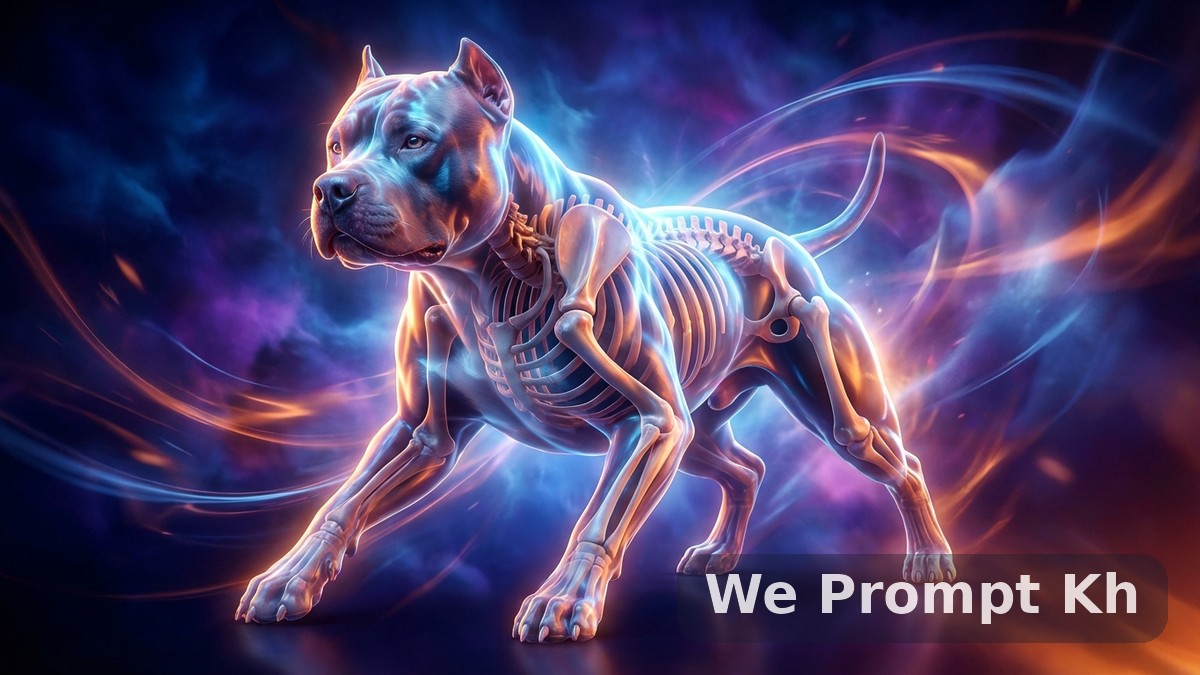
This master prompt is designed for creators who want to make viral YouTube Shorts using the popular What If transformation format. It focuses on short-form escalation, strong visual progression, and one highly consistent animal design that stays recognizable across every scene.
The prompt is especially useful because it combines storytelling, scene planning, visual consistency, and Khmer voice-over direction in one structure. Instead of creating random transformation clips, it builds a complete short-form package where each scene grows more dramatic and the final scene lands with a strong visual payoff.
What makes this prompt work well
The biggest strength of this prompt is the locked animal design. The animal is not allowed to change randomly from scene to scene. Every visual prompt starts with the same exact base description, which helps preserve the same face, body, translucent skin look, and visible internal skeleton throughout the full video.
This consistency matters because transformation videos lose impact when the character design shifts too much. A locked visual identity makes the growth feel believable and much more satisfying.
Why the What If format works for Shorts
The What If structure is naturally strong for short-form platforms because it creates curiosity immediately. Viewers want to see what happens next. If the story is paced well, each new scene becomes a stronger reason to keep watching. That is why progressive time jumps such as Day 1, Week 1, Month 1, and Year 1 work so well. They let the transformation escalate quickly without needing long explanation.
This prompt is built around that exact pattern. Each scene must visually intensify the animal’s body, posture, energy, and physical evolution. The first scene introduces the setup. The middle scenes show clear development. The final scene delivers the extreme result.
What the prompt generates
- a clickable viral title
- a scene-by-scene narration structure
- AI visual prompts for every scene
- Khmer voice-over lines for each scene
- progressive visual escalation
- a final high-impact transformation payoff
Visual style and identity
The visual design is unusually strong because it combines hyper-realistic 3D rendering with a medical visualization aesthetic. The animal has semi-transparent glossy skin, visible internal bones, studio lighting, realistic skeletal structure, and Pixar-level rendering polish. This gives the transformation a scientific-futuristic feel while still remaining highly cinematic and easy to read in a short video format.
The result is visually distinctive, which is important for viral content. A standard animal transformation can feel generic. A translucent-skin, visible-skeleton version feels much more scroll-stopping and memorable.
Why Khmer voice-over helps
The prompt also includes Khmer voice-over lines for each scene. This is useful for creators targeting Khmer-speaking audiences who want a format that feels local in delivery while still using a globally familiar viral concept. Short, punchy voice-over lines keep the pace tight and help the transformation feel more dramatic.
Best use cases
- YouTube Shorts animal transformation content
- TikTok and Reels What If videos
- AI-generated creature evolution stories
- Khmer voice-over short-form content
- viral transformation prompt packs
Copy-ready master prompt
I want you to create a viral YouTube Short using the What If transformation format.
Animal: [INSERT ANIMAL]
What it will do/eat: [INSERT ACTION OR FOOD]
Number of scenes: [INSERT NUMBER OF SCENES]
IMPORTANT:
The animal MUST look EXACTLY like this in ALL scenes.
You MUST copy these exact visual details into EVERY single scene prompt to maintain visual consistency:
Hyper-realistic 3D render of a [INSERT ANIMAL] standing in a neutral pose, full body centered. The animal has semi-transparent skin, allowing a clear view of its internal skeletal structure. The outer skin should appear soft, slightly translucent, and glossy, while the skeleton inside is anatomically detailed and realistic.
The skull should align naturally with the outer face of the animal, with visible eye sockets and bone structure beneath the translucent skin. The ribcage, spine, pelvis, and limb bones should be clearly visible inside the body, proportionally accurate to the species of [INSERT ANIMAL]. The eyes should appear large and expressive but slightly stylized, visible through the transparent skin.
Lighting should be studio-quality, soft and even, highlighting both the outer translucent surface and the inner bone structure. The render should have cinematic depth, ultra-high resolution, sharp focus, photorealistic textures, subsurface scattering effect for the skin, and realistic bone material for the skeleton.
Style: hyper-detailed 3D CGI, medical visualization aesthetic, Pixar-level rendering quality, soft shadows, clean composition.
Your task:
Create a complete YouTube Shorts package that includes:
- A highly clickable viral title.
- A short but powerful script structured in progressive timeline format (Day 1 → Week 1 → Month 1 → Year 1 or equivalent escalation depending on number of scenes).
- Scene-by-scene AI image/video generation prompts aligned perfectly with each script line.
- The transformation must escalate visually and dramatically in every scene. The animal should be in different positions and show how it is working on its body like running faster, becoming stronger. It should only show the animal eating the food on the first day.
- The final scene must feel extreme, shocking, or highly satisfying.
- Keep sentences short and punchy for high retention.
- Make it sound confident and cinematic.
- The script must align perfectly with the visual prompts.
- Each scene prompt must begin with the exact animal description provided above word-for-word, then add scene-specific transformation details.
- Vertical format (9:16), YouTube Shorts style.
- No disclaimers. Make it bold and engaging.
Output Format:
Title:
Scene 1:
Narration:
Visual Prompt:
Script voice over in Khmer (male or female):
Scene 2:
Narration:
Visual Prompt:
Script voice over in Khmer (male or female):
Continue until the specified number of scenes.
Make sure each scene escalates dramatically.Final thought
If you want a strong transformation prompt for viral short-form content, this is a highly usable format. It gives you visual consistency, rising dramatic intensity, and creator-friendly structure in one package. That makes it ideal for anyone producing bold AI Shorts with strong retention potential.